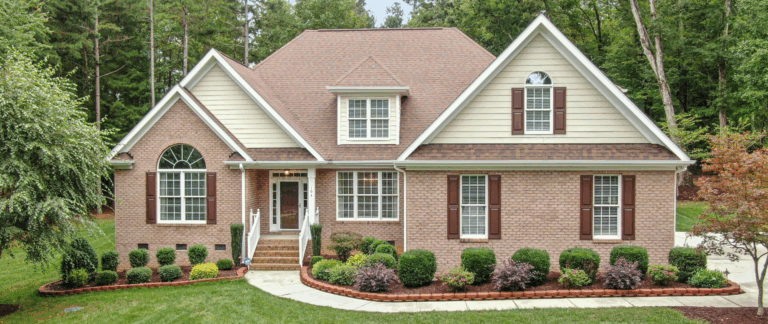
Retirement brings the promise of relaxation, but rising costs and inflation often create unexpected financial pressure. Many retirees find themselves “house rich but cash poor”, holding significant wealth in their home equity while struggling with daily expenses.
A reverse mortgage offers a practical solution. This financial tool allows homeowners aged 62 and older to convert a portion of their home equity into tax-free cash. Unlike a traditional mortgage, you make no monthly principal or interest payments. You keep the title to your home and gain the financial freedom to enjoy your retirement years. At Loankea, we specialize in simplifying this process, helping you understand how your home can work for you.
What Is a Reverse Mortgage and How Does It Work?
A reverse mortgage works exactly as the name suggests — it reverses the flow of payments. Instead of you paying the bank every month, the lender pays you. This loan converts your home equity into spendable cash.
You do not repay the money for as long as you live in the home. The loan only becomes due when the last surviving borrower moves out, sells the property, or passes away. At that time, the loan balance, including accrued interest, is paid off—usually through the sale of the home. Any remaining equity belongs to you or your heirs.
We offer flexible ways to receive your funds based on your specific needs:
Lump Sum: Receive all available funds at once (typically used to pay off an existing mortgage).
Monthly Payments: Receive a steady paycheck for a set term or for as long as you live in the home.
Line of Credit: Access funds only when you need them. The unused portion actually grows over time, providing a safety net for future expenses.
Who Is Eligible?
To qualify for a reverse mortgage, you must meet specific requirements set to protect both the borrower and the lender.
Age and Ownership
You must be at least 62 years old. You must also own your home outright or have a significant amount of equity—typically at least 50% of the home’s current value.
Residency
The property must be your primary residence. Vacation homes and investment properties do not qualify.
Financial Assessment
While credit score requirements are less strict than traditional loans, you must demonstrate the financial ability to pay ongoing property costs. This includes property taxes, homeowners insurance, and HOA fees. Loankea advisors review your income to ensure this loan places you in a safe financial position.
Types of Reverse Mortgages Available
Not all reverse mortgages are the same. Choosing the right one depends on your home value and financial goals.
Home Equity Conversion Mortgage (HECM)
This is the most common type of reverse mortgage. Insured by the Federal Housing Administration (FHA), HECMs offer high consumer protections. They are versatile and allow you to use the funds for any purpose. However, the FHA sets a limit on how much you can borrow. This is the ideal choice for most homeowners seeking security and flexibility.
Proprietary Reverse Mortgages (Jumbo)
Private lenders offer these loans for homeowners with high-value properties that exceed FHA lending limits. If you own a luxury home, a proprietary loan allows you to access a larger amount of equity than a standard HECM. Loankea can help you determine if your property value justifies a Jumbo reverse mortgage.
Single-Purpose Reverse Mortgages
These loans are typically offered by state and local government agencies or non-profits. As the name implies, the lender specifies how you use the funds, such as paying property taxes or funding necessary home repairs. While less common, they are a low-cost option for specific needs.
Find out if a Reverse Mortgage is right for you. Our experts will walk you through the requirements step by step and help you understand how much equity you can access — clearly, simply, and with no obligation.
Pros and Cons of a Reverse Mortgage
A reverse mortgage is a powerful financial tool, but it is not the right fit for everyone. Understanding the trade-offs is essential.
The Advantages
Eliminate Monthly Mortgage Payments: The most immediate impact is on your monthly budget. If you currently have a mortgage, the reverse mortgage pays it off first. You stop sending checks to the bank, instantly freeing up income for daily living, healthcare, or leisure.
Tax-Free Proceeds: The IRS generally considers money received from a reverse mortgage as loan proceeds, not income. This means the funds are typically tax-free and do not push you into a higher tax bracket (though we always encourage a quick check with your tax advisor).
Non-Recourse Protection: This is a crucial safety feature. Because HECM loans are federally insured, you or your heirs will never owe more than the home’s appraised value at the time of repayment, even if the loan balance grows higher than what the house is worth.
Security of Tenure: You remain the owner of your home. As long as you comply with loan terms (paying taxes and insurance), the bank cannot force you to move, regardless of how long you live or how large the loan balance grows.
The Considerations
Impact on Inheritance: This is the most important factor for families. Because you make no monthly payments, interest is added to the loan balance every month. Over time, your equity decreases, which means there will be fewer assets left to leave to your heirs.
Upfront Costs: Reverse mortgages often carry higher closing costs than traditional loans. This includes FHA mortgage insurance (which pays for the non-recourse protection) and origination fees. While these can usually be rolled into the loan rather than paid out of pocket, they do reduce your starting equity.
Ongoing Obligations: A reverse mortgage is not “free money.” You must continue to pay property taxes, homeowners insurance, and HOA fees. Failing to keep up with these payments can put the loan in default.
Residency Requirement: The home must remain your primary residence. If you move out for more than 12 consecutive months (for example, into an assisted living facility), the loan becomes due.
Reverse Mortgage vs. HELOC: What’s the Difference?
Homeowners looking to access equity often choose between a Reverse Mortgage and a Home Equity Line of Credit (HELOC). While both turn equity into cash, they are designed for very different financial stages. A HELOC is typically a short-term borrowing tool, whereas a reverse mortgage is a long-term retirement stability tool
Monthly Payment Structure
A HELOC functions like a credit card. As soon as you borrow money, you must begin making monthly payments. During the “draw period,” these might be interest-only, but eventually, the payments increase to cover the principal. If your retirement income is fixed, these fluctuating payments can become a burden.
With a Reverse Mortgage, there are zero required monthly payments on the principal or interest. You pay the loan back only when you leave the home. This significantly improves your monthly cash flow compared to a HELOC.
Credit and Income Requirements
Banks view HELOCs as traditional risks. They require a high credit score and a strong debt-to-income ratio. Many retirees struggle to qualify for a HELOC because their income has dropped after retirement, even if they have excellent credit.
The Reverse Mortgage qualification process is more flexible. While we do review your ability to pay taxes and insurance, we do not require the high income levels needed for a HELOC. The focus is primarily on your age and the equity you have built up.
Loan Security and Cancellation
In times of economic uncertainty or if home values drop, banks have the right to freeze your HELOC or reduce your credit limit without warning. This can happen exactly when you need the money most.
Once your HECM line of credit is established, the lender cannot freeze it or reduce it as long as you meet the basic loan obligations. In fact, the unused portion of your reverse mortgage line of credit actually grows over time, giving you access to more borrowing power as you age.
Comparison Table
| Feature | Home Equity Line of Credit (HELOC) | Reverse Mortgage (HECM) |
| Monthly Payments | Required immediately. Can increase over time. | None required. You pay only when you move out. |
| Credit Requirements | Strict. Requires high credit score & income. | Flexible. Based mostly on age and equity. |
| Loan Maturity | Due after a set term (usually 10-20 years). | Due only when you move, sell, or pass away. |
| Security | Bank can freeze or cancel the line of credit. | Guaranteed access. Line of credit cannot be frozen. |
| Best For | Short-term cash needs for working homeowners. | Long-term financial stability for retirees (62+). |
Step-by-Step Application Process with Loankea
We have streamlined the application process to be as stress-free as possible.
Initial Consultation: You start with a free assessment. Our experts analyze your age, home value, and equity to estimate how much you can receive.
HUD Counseling: To ensure you fully understand the loan, you will complete a session with an independent, government-approved counselor. We provide a list of agencies to help you schedule this.
Appraisal: An independent appraiser visits your home to determine its current market value and ensure it meets FHA property standards.
Underwriting & Approval: Our team verifies your financial ability to pay taxes and insurance. Once approved, we set the final loan terms.
Closing & Funding: You sign the final documents. After a standard three-day waiting period (your right of rescission), you receive your funds.
Frequently Asked Questions
Will the bank own my home?
No. You retain the title and ownership of your home. The bank simply has a lien on the property, just like a traditional mortgage.
What happens if I owe more than the house is worth?
HECM reverse mortgages are “non-recourse” loans. This means neither you nor your heirs will ever owe more than the home’s appraised value at the time of sale. FHA insurance covers the difference.
Is my Social Security affected?
Generally, reverse mortgage proceeds are considered loan advances, not income, so they do not affect Social Security or Medicare benefits. However, needs-based programs like Medicaid or SSI could be affected. We recommend verifying this with a benefits advisor.
Why Choose Loankea?
We make your mortgage journey simple and rewarding with competitive rates and swift processing. Our proven system delivers results while keeping you informed every step of the way.
Here’s what makes us your ideal mortgage partner:
- We offer some of the lowest wholesale interest rates in the market
- Our closing costs beat 150 top mortgage banks nationwide
- Get approved fast – most loans close in just 7-15 business days
- Receive a personalized mortgage plan that fits your unique situation
- Choose from multiple property type financing options
- Access specialized programs including Full Doc loans, No Doc loans, No Tax Returns required options, Foreign National mortgages, New Resident solutions, and First-Time homebuyer assistance.
Your next step is to check your loan eligibility and understand how much you can borrow. Connect with our home loan specialist for a free, no-obligation review and personalized pre-approval. In just one conversation, you’ll know your budget and be ready to move forward with confidence toward your new home.