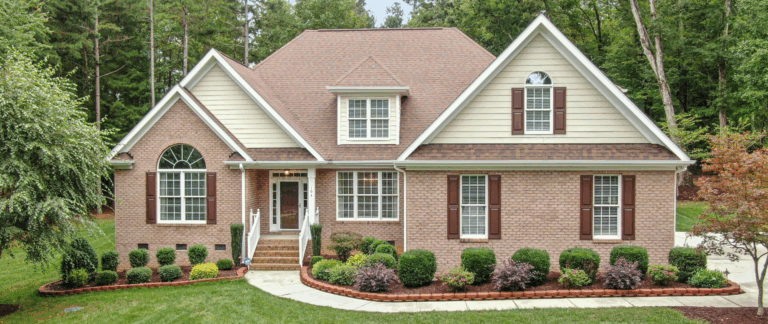
A DSCR loan, or Debt Service Coverage Ratio loan, is an important financial tool for real estate investors. Unlike traditional mortgages that require extensive income documentation, DSCR loans are part of the non-qualified mortgage (non-QM) category. This makes them particularly appealing for those seeking rental property financing.
Key Characteristics of DSCR Loans:
1. Income-Based Qualification: The focus is on the cash flow generated by the rental property rather than personal income, it offers flexibility to investors with unconventional income streams.
2. Debt Service Coverage Ratio: Calculated by dividing the property’s annual gross rental income by its total annual debt obligations. A DSCR greater than 1 indicates positive cash flow, crucial for loan approval.
3. Differences from Traditional Mortgages:
- No Tax Returns Required: Investors qualify based on projected rental income.
- More Flexible Guidelines: Often allows multiple properties to be financed simultaneously.
In simple terms, the DSCR loan program helps investors by creating opportunities that traditional lending methods may not provide. It does this by using innovative structures to fill in financing gaps.
How DSCR Is Calculated
Lenders divide the monthly rent a property earns by the monthly cost of owning it. The result is your DSCR, and it decides your pricing, your leverage and your program options.
Three Examples
| Monthly rent | Housing cost | DSCR | What it means |
| $3,000 | $2,400 | 1.25 | Rent runs 25% above the payment and earns enhanced terms |
| $2,400 | $2,400 | 1.00 | Rent covers the payment exactly |
| $2,000 | $2,400 | 0.83 | Rent falls short, and we still accept ratios down to 0 |
What Counts as Housing Cost
- Principal and interest
- Property taxes
- Homeowners insurance
- HOA dues, if any
How We Verify the Rent
- The current lease for a home with a tenant
- The market rent estimate on Form 1007 for a purchase with no tenant
- Booking history or an AirDNA report for vacation rentals
Want to check your own numbers? Browse our mortgage calculators or talk with a loan officer.
Why Loankea Is the Best Choice for Your DSCR Loans
Selecting the right lender for DSCR loan mortgage can significantly impact your investment success.
Why choose our DSCR?
|
Industry-Leading Features
|
We provide competitive rates and terms that match your investment goals, support all property types – from single homes to multi-unit buildings, focus on rental income potential instead of standard income proof, and our team helps you through the entire loan process.
We make DSCR loans work for both new and experienced investors. Our programs cover various properties and investment strategies. We understand real estate investing and deliver the right financing solutions.
DSCR Loans Requirements
These specialized investment property loans operate under distinct guidelines that differ significantly from traditional mortgage programs. Here are the main rules you need to follow:
Basic Eligibility Criteria
Credit Score Requirements
- A minimum credit score of 620 is typically required
- Higher credit scores may qualify for better interest rates and terms
- Some lenders may consider scores down to 600 in exceptional cases
Down Payment Structure
- Standard minimum down payment of 20% of the purchase price
- Higher down payments often result in more favorable loan terms
- Some programs may require up to 25-30% for certain property types
Required Documentation
Unlike traditional mortgages that focus on personal income verification, DSCR loans primarily require:
- Current or projected lease agreements
- Property financial statements
- Rent roll documentation
- Property insurance verification
- Real estate tax assessments
- Property appraisal reports
The approval process is simplified for seasoned investors by focusing on the property’s revenue potential instead of the borrower’s individual earnings during documentation.
DSCR Loans by State
Every state has its own tax rules, insurance costs and rental laws, and each one changes your DSCR. Open a state page to see how Loankea handles DSCR loans there.
Renters make up nearly half of all households. Inland Empire and Central Valley deals often reach a DSCR above 1.25, while Bay Area deals often lean on interest only terms.
Property taxes average about 0.60% statewide, which helps the ratio. Vacation rental rules differ by city and resort town, so confirm licensing before you buy.
Insurance moves the ratio more than anything else, especially on the coast. Get a quote for the exact address before you model the deal.
Counties assess property at 40% of market value. HB 399 requires out of state owners of one to two unit rentals to hire a Georgia licensed property manager.
Illinois has no rent control, but effective property tax rates run high, so confirm the township rate. Chicago two flats and three flats often fit DSCR well.
Charlotte and Raleigh produce the cleanest underwriting. Coastal homes carry wind and flood costs, and Asheville limits most non owner occupied vacation rentals.
No rent control and low property taxes help the ratio. Tornado season can raise insurance, so request quotes early.
Statewide rent rules cover older buildings, while newer ones are exempt. In Portland, a permitted ADU can add its rent to the qualifying income.
Investment property is assessed at 6% instead of the 4% a primary home pays, so tax bills run higher than the seller’s. Charleston allows whole house vacation rentals only when the operator lives on site.
Residential property is assessed at 25% of value, which keeps taxes low. State law stops cities from banning vacation rentals outright.
There is no state income tax, but property taxes average about 1.60%, so your county choice shifts the ratio. Austin and Houston now require rental licenses or registration.
HB 1217 caps yearly rent increases at 9.683% for 2026, and buildings under 12 years old are exempt. Seattle requires a license for vacation rentals.
Investing in another state? Contact our team to ask about availability.
Types of Eligible Properties
DSCR loan programs are geared towards income-generating properties. Common examples include:
- Rental Units: Single-family homes, duplexes, triplexes, and larger multi-unit dwellings.
- Commercial Real Estate: Office buildings, retail spaces, and other commercial properties capable of generating rental income.
This focus on cash flow from properties rather than personal earnings makes DSCR loans an attractive option for real estate investors seeking to expand their portfolios with minimal hassle.
What We Offer
Loankea’s DSCR loan programs are designed specifically for real estate investors who need adaptable financing options. We customize our options to match your investment goals and deliver clear solutions for your property financing needs.
|
|
These features make Loankea an ideal choice for real estate investors seeking efficient, flexible DSCR lending options with minimal documentation requirements and rapid approval processes.
Embrace the opportunities offered by our DSCR rental loan solutions and take your investment strategy to new heights.