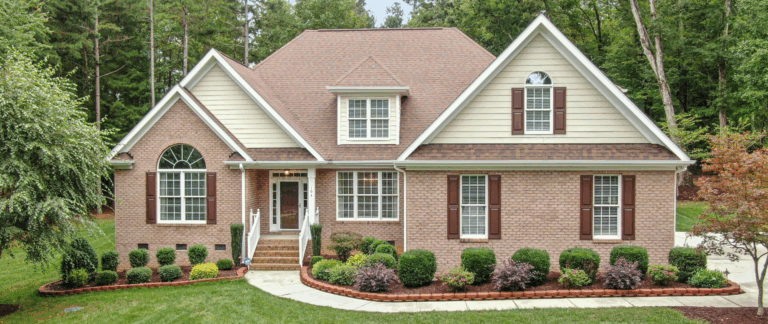
Illinois short-term rental demand stretches well beyond Chicago’s neighborhoods, from the bluffs above the Mississippi in Galena to the canyons of Starved Rock and the college towns of Champaign-Urbana. Every one of those markets runs on its own licensing rules, so financing a short-term rental here means understanding the local ordinance as closely as the loan program. Loankea helps Illinois investors finance short-term rentals and Airbnb properties using programs that qualify off the property’s nightly income instead of a standard long-term lease.
What Is a Short-Term Rental Loan
A short-term rental loan is generally a DSCR loan structured to qualify a property using its projected nightly or weekly income instead of a standard 12-month lease comparable. This can unlock financing for a cabin or vacation property that would not cash flow, or would not even qualify, as a conventional long-term rental. Because the loan is financed against the property instead of your personal income, there are no tax returns or W-2s involved.
Chicago's Shared Housing Ordinance
Chicago regulates short-term rentals under the Shared Housing Ordinance, Chapter 4-14 of the Municipal Code, administered by the Department of Business Affairs and Consumer Protection. The rules differ by how many units an owner operates.
| License Type | Who Needs It | Cost |
|---|---|---|
| Shared Housing Unit Registration | A single listed unit | $250 for 2 years, per unit |
| Shared Housing Unit Operator License (SHUOL) | Two or more units citywide | $500 for 2 years, plus monthly revenue reporting by the 15th |
| Vacation Rental License | Renting more than 90 nights a year without an on-site host | Set separately from shared housing registration |
Chicago also maintains a prohibited buildings list of more than 2,300 addresses where short-term rentals cannot register at all, so it is worth checking a property against that list before you count on nightly income to qualify for financing.
The Tax Stack on a Chicago Listing
A Chicago short-term rental booking carries close to 28% in combined city, county, and state taxes and surcharges by the time the Shared Housing Surcharge, the Hotel Accommodation Tax, and other layered fees are added together.
Since January 6, 2026, platforms like Airbnb and VRBO collect and remit Illinois’ Hotel Operators’ Occupation Tax automatically, and most of the city-level taxes flow through the same platform remittance. A host taking bookings through their own website still needs to open a city tax account and remit those taxes directly. None of this changes how a lender qualifies the property, but it does change the net revenue an owner actually keeps, which is worth modeling before you rely on gross platform revenue in a cash flow projection.
Starved Rock and the Illinois River Valley
Ottawa and the towns surrounding Starved Rock State Park have become one of the state’s strongest short-term rental markets outside Chicago, driven by year-round visitors to the park’s canyons and the Illinois River.
| Metric | Ottawa Market |
|---|---|
| Average daily rate | ~$145 |
| Annual revenue per property | ~$22,000 |
| Occupancy rate | ~64% |
| Typical entry price | ~$160,000 |
Unincorporated areas near the park carry lighter local regulation than Chicago, though buyers should still confirm zoning and any county-level registration before closing, since rules can differ from one township to the next along the river corridor.
Galena Caps Its Short-Term Rental Licenses
Galena, the historic river town in the state’s far northwest corner, takes a very different approach than Chicago or the Starved Rock area. The city requires a special use permit and an operating license for every vacation rental, and the city council has capped the total number of licenses available. As of this writing, every allocated license is issued and new applicants join a waitlist through the city’s zoning administrator. That cap makes an existing, already-licensed Galena vacation rental meaningfully more valuable than an unlicensed property in the same neighborhood, since a buyer cannot simply apply for a new license after closing. Confirm a license transfers with the sale, in writing, before you make an offer.
Downstate University and Capital Markets
Champaign-Urbana and Springfield round out the state’s strongest downstate short-term rental markets, each for a different reason. Champaign benefits from steady University of Illinois event and visitor demand, with occupancy running close to 66% and revenue around $18,000 a year on a typical property. Springfield draws on year-round visits to the Lincoln historic sites and state government traffic, with occupancy closer to 76% even though its average daily rate runs lower than Chicago or the Starved Rock area. Both markets reward an investor who can offer a clean, well-located listing more than one chasing peak seasonal rates.
How Lenders Qualify a Short-Term Rental Property
Lenders financing an Illinois short-term rental typically want 12 to 24 months of platform revenue on an existing listing and apply a 70% to 80% factor to trailing gross revenue to account for seasonality. A property with no rental history, such as new construction near Starved Rock, generally falls back to an AirDNA-style market report or a comparable short-term rental appraisal instead. A Chicago listing also needs an active Shared Housing registration or SHUOL before that income counts toward a loan file. See our Illinois DSCR loan guide for the full qualification requirements these loans typically follow.
Tips for Maximizing Illinois Short-Term Rental Returns
Financing is only half the equation on a short-term rental. These operating habits help Illinois hosts protect the income figure a lender used to qualify the loan in the first place.
- Use dynamic pricing instead of a flat nightly rate. Rates that adjust for Big Ten football weekends in Champaign, holiday weekends in Galena, or summer weekends near Starved Rock typically outperform a static price by a meaningful margin.
- List on more than one platform where local rules allow it. Hosts who list on Airbnb and VRBO together generally capture more bookings than those relying on a single platform.
- Keep a Chicago license or registration current well before its renewal date. A lapsed Shared Housing registration can force a listing offline until it is resolved, which shows up directly in your income.
- Carry short-term rental specific insurance instead of a standard landlord policy. A policy written for long-term tenants often excludes short-term rental use entirely.
- Budget for a slower winter season outside Chicago. Downstate and river-town markets can dip meaningfully in the coldest months, so plan cash flow around the full year instead of the summer average.
- Bring in a local co-host or property manager if you do not live near the property. Turnaround speed between guests and quick responses to maintenance issues directly affect your review scores.
- Track your Chicago tax remittance closely if you take direct bookings. Platform bookings are largely handled automatically, but a booking through your own website still needs manual tax filing.
Why Investors Choose Loankea for Illinois Short-Term Rentals
Loankea finances short-term rental and Airbnb properties across Illinois, from Chicago two-flats to Starved Rock cabins.
| Program Highlights | Investor Advantages |
|
|
Ready to finance your next Illinois short-term rental? Get a free consultation and compare loan programs built around your property’s projected income.