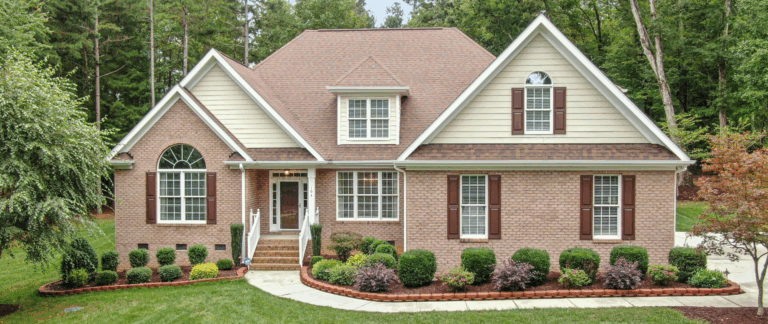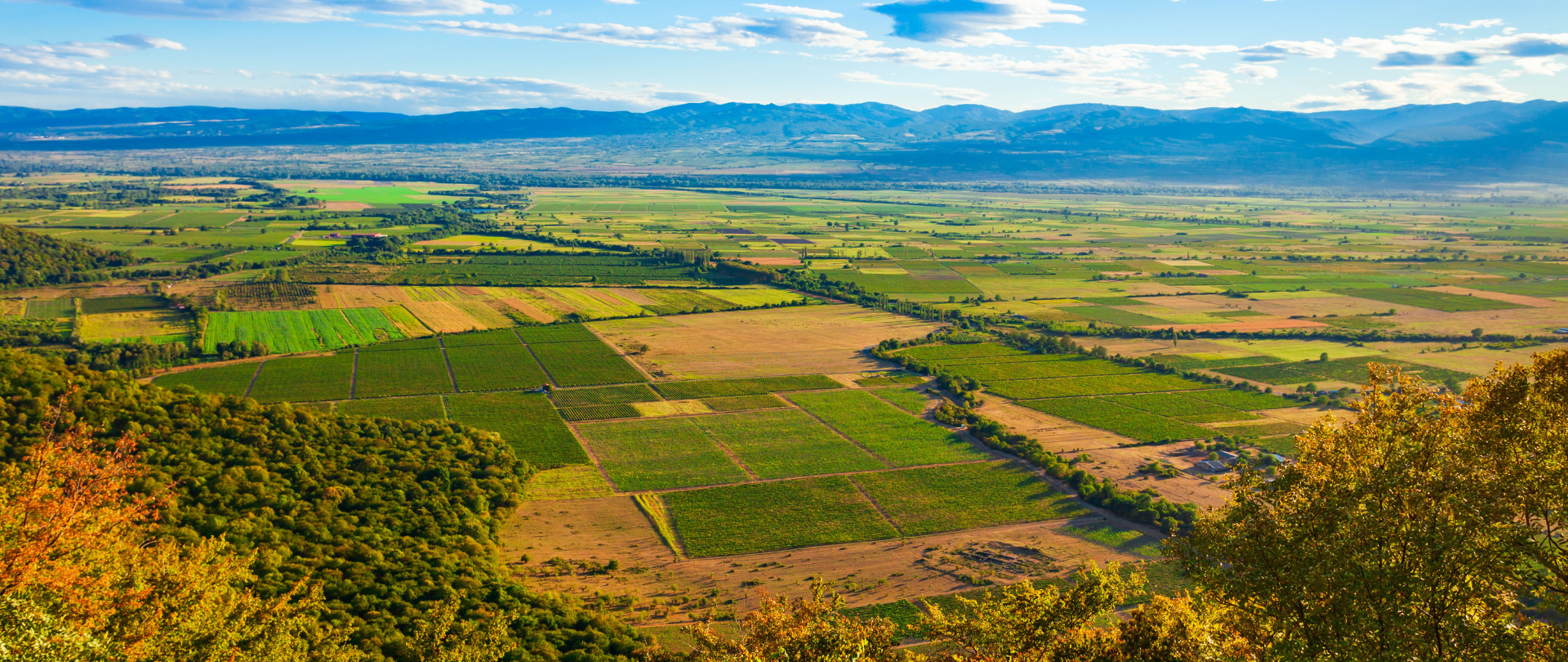
Georgia attracts buyers who want to own ground for building, farming, hunting, or holding as an investment. The state stretches from the Blue Ridge foothills in the north to coastal plains near Savannah, and land prices vary widely by region. A land loan gives you the capital to purchase a parcel before any home or improvement exists on it. The structure differs from a standard home mortgage in down payment, term length, and how lenders evaluate the property itself.
Loankea works with Georgia buyers across all 159 counties and offers loan options for borrowers who need flexibility on income documentation, parcel type, or project timeline. The information below walks through how Georgia land loans function, what you need to qualify, and the details that matter most for a successful purchase.
What Is a Land Loan in Georgia
A land loan finances the purchase of vacant ground. Lenders treat these loans as higher risk than home mortgages because no structure secures the value of the collateral. That risk shows up in the terms you see on offers, including larger down payments, slightly higher rates, and shorter amortization periods on certain land types.
Georgia buyers commonly use land loans for the following purposes.
- Buying a residential lot to build a primary or second home within 12 to 24 months
- Purchasing recreational acreage for hunting, fishing, or family retreats
- Acquiring farmland for row crops, livestock, timber, or pecan groves
- Holding land as a long-term investment near growing markets like Atlanta, Athens, or the coast
Each use shapes how lenders structure the loan. A buildable lot in Forsyth County underwrites differently than 60 acres of timberland in Telfair County, even when both fall under the same loan family.
Categories of Georgia Land Loans
Lenders sort Georgia land into three categories based on how developed and ready for use the parcel is. The category drives your down payment, rate, and term length.
Improved Lot Loans
Improved lots sit inside platted subdivisions or developed areas with road access, utilities at the curb, and zoning already established. These finance most easily. Qualified buyers can often put down 15 to 20 percent.
Unimproved Land Loans
Unimproved parcels usually have road frontage and may have utilities running near the property line, but they are not ready for immediate construction. Expect 20 to 30 percent down on Georgia unimproved purchases.
Raw Land Loans
Raw land carries no improvements at all. No graded road, no utilities, no septic clearance. Lenders assign the highest risk to these parcels and typically require 30 to 40 percent down with shorter terms.
Who Qualifies for Land Financing
Qualification depends on the lender’s program, the property classification, and your overall financial picture. Conventional banks lean on tax returns and W2 income. Loankea takes a more open path, which helps Georgia buyers who run their own businesses, manage rental portfolios, or earn variable income.
| Criteria | Standard Range |
|---|---|
| Credit score | 680 minimum, 720 or higher preferred |
| Down payment | 15% to 40% based on land category |
| Debt-to-income ratio | Up to 50% on flexible programs |
| Cash reserves | 6 to 12 months of payments |
| Loan term | 10 to 30 years |
Loankea reviews each application by hand. The team accepts bank statements, asset documentation, profit and loss records, or business filings as alternatives to traditional pay stubs and W2s. This matters in Georgia, where farmers, contractors, and small business owners purchase a large share of rural land.
Documents Required to Apply
Lenders ask for paperwork that proves both your ability to repay and the legitimacy of the parcel itself. Land transactions add a few items that are not part of a standard home purchase.
Personal documents typically requested include the following.
- Government-issued photo identification
- Two years of tax returns or 12 to 24 months of bank statements
- Recent pay stubs or year-to-date profit and loss statements
- Asset records showing down payment funds and reserves
- Authorization for a credit pull
Property-specific documents include the following.
- Signed purchase and sale agreement
- Current survey or plat
- Title commitment from a Georgia title company or attorney
- Zoning letter from the county
- Percolation test results if a septic system will be installed
- Soil analysis for farmland or build-ready parcels
Rural Georgia counties like Echols, Quitman, or Glascock have fewer surveyors and inspectors available, so testing and survey work may take several weeks. Account for that when negotiating closing dates.
How the Loan Process Works Step by Step
Georgia land closings follow a predictable sequence once you know the steps.
- Pre-qualification. You provide income, asset, and credit information. The lender returns a workable loan amount and program options.
- Property identification. You sign a purchase contract on a specific parcel.
- Application. Full submission with all supporting documents.
- Appraisal and title work. A licensed Georgia appraiser values the parcel. The title attorney or company researches ownership and clears any encumbrances.
- Underwriting. The lender reviews the package, issues conditions, and works toward a clear-to-close.
- Closing. In Georgia, real estate closings happen at an attorney’s office because state law requires attorney involvement in the transaction.
Most Georgia land loans close within 30 to 45 days. Parcels in rural counties or with complicated title histories sometimes need longer.
Georgia Features That Affect Land Purchases
Georgia has legal and geographic factors that influence land transactions more than buyers expect. Knowing them upfront prevents costly surprises.
Attorney closings
Georgia is an attorney-closing state. Every real estate transfer must involve a licensed Georgia real estate attorney. Budget for those fees in your closing costs.
Conservation Use Valuation Assessment (CUVA)
Georgia allows qualifying agricultural and forestry parcels to receive lower property tax assessments under a 10-year covenant. If the seller has a CUVA agreement and you break the covenant by changing the use, penalties can include twice the tax savings plus interest. Confirm the status during due diligence.
Wetlands and stream buffers
Georgia enforces a 25-foot state buffer along most streams and stricter rules near coastal marshlands. The U.S. Army Corps of Engineers regulates wetland areas. A parcel with significant wetlands may have limits on where you can build.
Timber rights
Some Georgia sellers separate timber rights from the underlying land. Read the title commitment carefully to confirm what conveys at closing.
Flood zones
Properties near the Chattahoochee, Flint, Savannah, and Altamaha rivers often fall inside FEMA flood zones. Flood insurance requirements raise monthly costs and may affect approval.
Coastal regulations
Land within the coastal counties is subject to the Shore Protection Act and other rules administered by the Georgia Department of Natural Resources. Building setbacks and environmental reviews apply.
Advantages and Trade-offs
| Strengths | Limitations |
|---|---|
| Lock in pricing before further appreciation | Larger down payments than home loans |
| Build long-term equity in a growing state | Higher rates than primary residence mortgages |
| Flexible income paths through Loankea | Shorter terms on raw parcels |
| Works for residential, agricultural, or investment use | Stricter property condition requirements |
| Hold ground while planning a future build | Limited refinance options until improvements happen |
Interest Rates and Loan Costs in 2026
Land loans run at higher rates than standard home mortgages because of the elevated risk to lenders. In 2026, Georgia buyers should expect interest rates that sit roughly 1 to 3 percentage points above conventional 30-year mortgage rates. The exact figure depends on credit profile, parcel type, loan size, and down payment.
Closing costs in Georgia generally fall between 2% and 5% of the loan amount. Expect line items such as the following.
- Title insurance and examination fees
- Attorney fees, which are required by Georgia law
- Recording fees at the county clerk of superior court
- Appraisal cost, typically $700 to $1,500 for vacant land
- Survey if the seller does not provide a current one
- Georgia intangible recording tax of $1.50 per $500 of the loan amount
- Transfer tax of $1.00 per $1,000 of the purchase price paid by the seller in most contracts
Unlock Your Loan Benefits with Loankea
Experience the advantage of working with premier mortgage experts. We deliver:
- Unbeatable Rates & Savings – Access wholesale interest rates and reduced closing costs through our network of 150+ top national lenders.
- Lightning-Fast Approvals – Average clear-to-close timeframe of just 7-15 business days.
- 100% Personalized Solutions – Custom financing plans crafted for tech workers with RSUs, boutique Willamette Valley vineyard owners, and remote workers seeking high-desert acreage in Bend.
- Financing Available for All Property Types – Full Doc, No Doc, No-Tax Returns, Foreign Nationals, New Oregon Residents, and First-Time Homebuyer programs covering downtown Portland condos to coastal Astoria cottages.
- Digital Convenience – Seamless online process from application to closing.