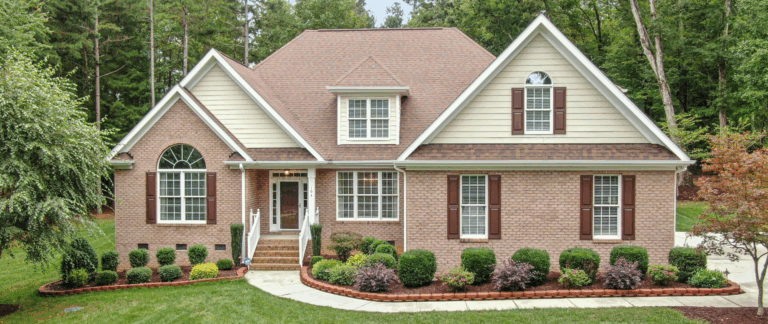
Illinois’ housing stock gives flippers plenty to work with, prewar two-flats and greystones across Chicago, courtyard buildings in the near suburbs, and single-family stock in transitioning downstate markets. Loankea funds fix and flip and ground-up construction loans for Illinois investors, with financing built around the deal and the renovation budget instead of a slow, income-heavy approval process.
Illinois Fix and Flip Program Snapshot
| Feature | Typical Range |
|---|---|
| Interest rate | Roughly 7.25% to 9.25% for strong borrowers, higher for lower experience or credit |
| Loan-to-cost | Up to 90% of purchase price plus 100% of rehab budget, subject to loan-to-ARV limits |
| Term | 12 to 18 months, interest-only |
| Draw process | Rehab funds released in draws as work is completed and inspected |
| Closing timeline | As fast as 7 to 10 days on a clean file |
The Transfer Tax Stack on an Illinois Flip
Resale costs are worth modeling before you bid, especially inside Chicago city limits. Three separate transfer taxes stack on a Chicago sale.
- Illinois state transfer tax, $0.50 per $500 of sale price, paid by the seller
- Cook County transfer tax, $0.25 per $500 of sale price, paid by the seller
- Chicago transfer tax, $5.25 per $500 total, split as $3.75 per $500 paid by the buyer and $1.50 per $500 paid by the seller
Outside Chicago, most Illinois municipalities charge only the state and county portions, which meaningfully changes the net proceeds on an exit in a suburban or downstate flip compared to a city sale.
Contractor Licensing on an Illinois Renovation
Illinois does not issue a statewide general contractor license, so the licensing requirements you need to plan around are trade-specific and, in some cases, local. The Illinois Department of Financial and Professional Regulation licenses roofing contractors statewide, and Chicago requires a Home Repair License for anyone performing paid renovation work on one- or two-unit residential buildings inside city limits. A rehab crew working across city and suburban jobs needs to track both layers, since a license good in unincorporated Cook County does not automatically satisfy Chicago’s requirement.
Judicial Foreclosure Slows the Competition
Illinois processes foreclosures through the court system, and a contested case commonly runs a year or more from filing to sale. That timeline discourages many buy-and-hold buyers from bidding on distressed and REO inventory, which keeps a steady supply of value-add properties available to investors who are ready to move. A flipper who can close in one to two weeks with hard money financing is often competing against a much thinner buyer pool on these deals than on a standard retail listing.
Renovating Chicago's Two-Flats, Three-Flats, and Greystones
A large share of Chicago’s fix and flip inventory is prewar small multifamily, two-flats, three-flats, and greystones built from the 1890s through the 1920s, many with original masonry, coach houses, or English basements that can be converted to legal additional units under the city’s building code. These properties often carry deferred maintenance on the mechanical and roofing systems specifically, plumbing, electrical, and roof replacement, which is where rehab budgets tend to run over on early bids. A flip budget built from a thorough inspection, instead of a driveby estimate, holds up much better once the crew opens the walls.
How an Illinois Fix and Flip Loan Closes
- Submit the purchase contract, scope of work, and rehab budget for underwriting
- An appraisal or broker price opinion establishes both as-is value and after-repair value
- Loan terms are set around loan-to-cost and loan-to-ARV, with rehab funds held back for draws
- Close on the purchase, then request draws as each phase of work is completed and inspected
- List and sell, or refinance into a DSCR loan if the plan shifts from a flip to a long-term rental
Flip to Hold and Refinance Into a DSCR Loan
Plans change mid-project often enough that it is worth knowing the exit before you need it. An investor who decides to hold a renovated Chicago two-flat as a rental instead of selling can typically refinance out of a fix and flip loan into a DSCR loan once the rehab is complete and the property is leased or lease-ready. See our Illinois DSCR loan guide for how that refinance is qualified.
Why Investors Choose Loankea for Illinois Fix and Flip Loans
Loankea funds fix and flip and ground-up construction across Illinois, from Chicago rehabs to downstate resale markets.
| Program Highlights | Investor Advantages |
|
|
Ready to fund your next Illinois flip? Get a free consultation and see what your project qualifies for.